
Old cat flaps rarely fail dramatically. They fade: the flap yellows and stiffens, the seal stops sealing, the lock gets temperamental, and one day your cat starts going through at an angle because the opening was always slightly too small. When you replace cat flap in glass doors, though, the job is not the simple swap it would be in a wooden door — because the hole lives in glass, and glass does not forgive second attempts. This guide to replacing an old cat flap in glass explains why a fresh made-to-measure panel is usually the answer, what to do about awkward holes from a previous fitting, and why replacement day is the best moment to upgrade size or technology.
Signs the old flap has reached the end
Not every tired flap needs replacing. Seals can be cleaned and hinges checked. Replacement becomes the sensible conversation when the problems are in the flap or panel themselves.
Wear you can see and hear
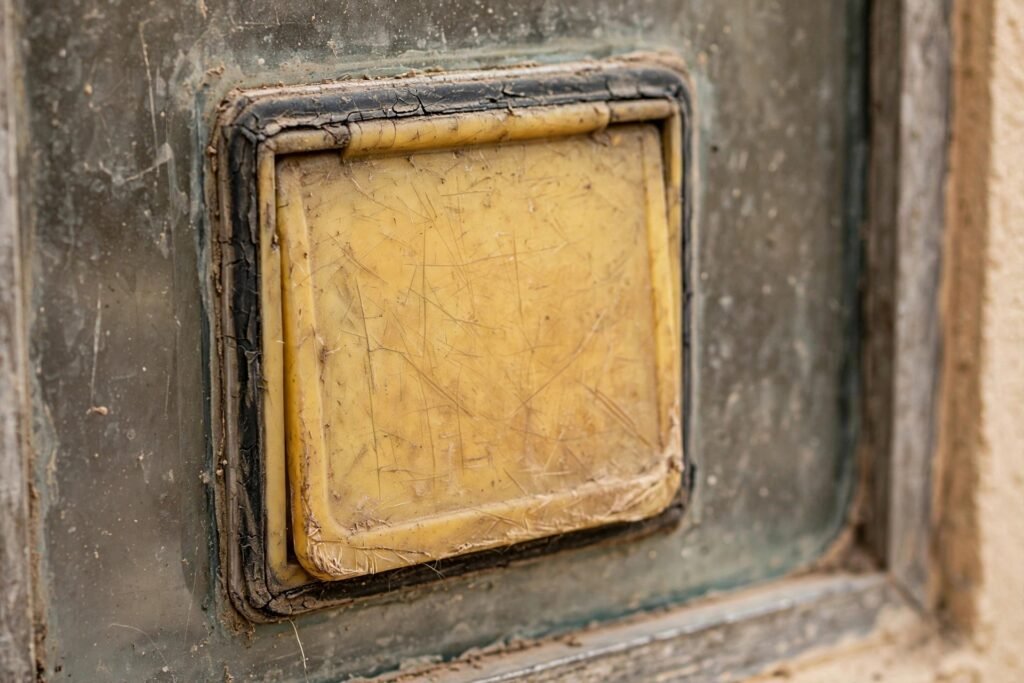
A flap that has gone cloudy or brittle, cracks around the frame, a door that no longer sits flush, or rattling in the wind all point to materials at the end of their working life in UAE heat and sun. A locking control that no longer settles positively into its settings is another sign: a lock you cannot trust is worse than a simple flap, because you believe the door is secured when it is not.
A cat that no longer fits the flap
Cats change. The kitten you fitted the flap for may now be a substantial adult, and a cat squeezing through will push off-centre, wear the flap unevenly and eventually avoid the door. The rule is straightforward: cats over 4kg need a Large flap. If your cat is in that bracket and the existing flap is a standard size, replacement is not an upgrade for its own sake — it is correcting a fitting your cat has outgrown.
Why we replace cat flap in glass with a fresh panel
Owners often ask whether we can cut the existing glass a little larger, or reuse the same panel and fit a new flap into the old hole. In almost every case, the honest answer is no — and the reasons are practical, not commercial.
Glass cannot be re-cut around an old hole
Once glass has been cut and formed into a panel, it cannot simply be trimmed or enlarged on site. Attempting to work around an existing cut-out risks the whole pane. A replacement panel is made to measure from the start: measured, cut with the correct aperture for the new flap, and finished as a single piece, so the frame sits in an opening made exactly for it. The seal line is even, the frame is square, and the flap works as its maker intended.
What happens to the old panel
The old panel comes out whole and the new panel goes in its place. If you are renting, the wider fitting principle protects you: where we fit pet doors in glass, the approach keeps things 100% rental-friendly, with glass stored and swapped back in 30 minutes and no landlord NOC needed. If a panel already contains a flap, that panel was itself a replacement — replacing it again simply repeats the process with a new, correct aperture. On reflective glass, a reflective-glass shade match cannot be guaranteed 100%, so the finish is agreed before the new panel is made.
Awkward holes: when the new flap does not match the old
The most common complication in a replacement is a mismatch: the flap you want does not share a cut-out size with the flap you have. A larger flap needs a larger hole; a different brand may need a different shape; a previous installer may have used an adaptor or left an opening that suits nothing current.
Because the new panel is made to measure, none of that matters. The aperture is cut for the flap you have chosen now, not inherited from the previous fitting. This is why replacement in glass, done properly, often ends up neater than the original installation: no adaptor plates, no packing around an oversized hole, and no compromise on position. If the old flap sat too high or too low for your cat, the new panel is also your chance to correct the height, setting the step-over from your cat’s size rather than from a hole somebody cut years ago.
Replacement day is upgrade day
If a new panel is being made anyway, the effort of changing what goes into it is small — and the benefit can be large.
Change size, change type, or both
Upsizing to a Large flap for a cat over 4kg is the most common upgrade. The other is switching from a manual flap to a microchip model. Microchip flaps from SureFlap and PetSafe read the pet’s existing 15-digit ISO FDX-B vet chip, so the flap unlocks for your cat alone and stays shut to strays. SureFlap and PetSafe also make manual flaps, so staying manual is equally possible if selective entry is not a concern. Separately, Closer Pets makes manual four-way locking flaps only, which remain a sound simple choice where direction control is all you need.
Whatever you choose, decide before the panel is cut. Size and type determine the aperture, and the panel is the one part of the job that cannot be adjusted afterwards.
Frequently asked questions
Can a new flap be fitted into the hole from the old one?
In glass, usually not as a simple swap. Different flaps need different apertures, and existing glass cannot be re-cut to suit. A fresh made-to-measure panel is cut with the correct hole for the new flap, which is why replacements in glass are done as a panel change.
My old flap was fitted before I moved in. Can it still be replaced?
Yes. A panel that already contains a flap was itself a replacement panel, and it can be replaced again in exactly the same way. Send us a photo of the existing fitting and we will confirm the approach for your door.
Is replacement a good time to switch to a microchip flap?
It is the best time. Because a new panel is being made regardless, choosing a microchip model adds selective entry without any extra work to the glass. The flap reads your cat’s existing vet chip, so there is nothing extra for your cat to wear.
What if my cat has outgrown the current flap?
Fit a Large flap in the new panel. Cats over 4kg need a Large flap, and replacement is the moment to correct a too-small opening rather than repeat it. A correctly sized flap also wears more evenly and lasts longer.
Will the new panel match my reflective glass exactly?
We will do everything possible on finish, but a reflective-glass shade match cannot be guaranteed 100%. We discuss the likely result openly before the panel is made, so you can decide with the full picture.
Plan your replacement and upgrade together
WhatsApp us on +971 52 443 2655 with a photo of your existing flap and panel, plus your cat’s breed and approximate weight, and we will confirm the cleanest replacement. When you are ready to replace cat flap in glass that has worn out or been outgrown, one made-to-measure panel can solve the hole, the size and the technology in a single visit. You can also email admin@petdoorfix.com. We work across all seven UAE emirates. Need it fixed in the UAE? PetDoorFix replaces chewed, broken and worn flaps across the UAE — see our flap repair and replacement.
Instant WhatsApp Photo Quote
Send a photo of your door, your pet's size, and your area.
WhatsApp Photo QuoteNext guide: Cleaning Your Cat Flap: Paw Prints, Dust and a Free-Swinging Flap